
Four movements, in order.
Understand, process, rebuild, move forward. Each at the congregation’s pace, and none of them skipped.
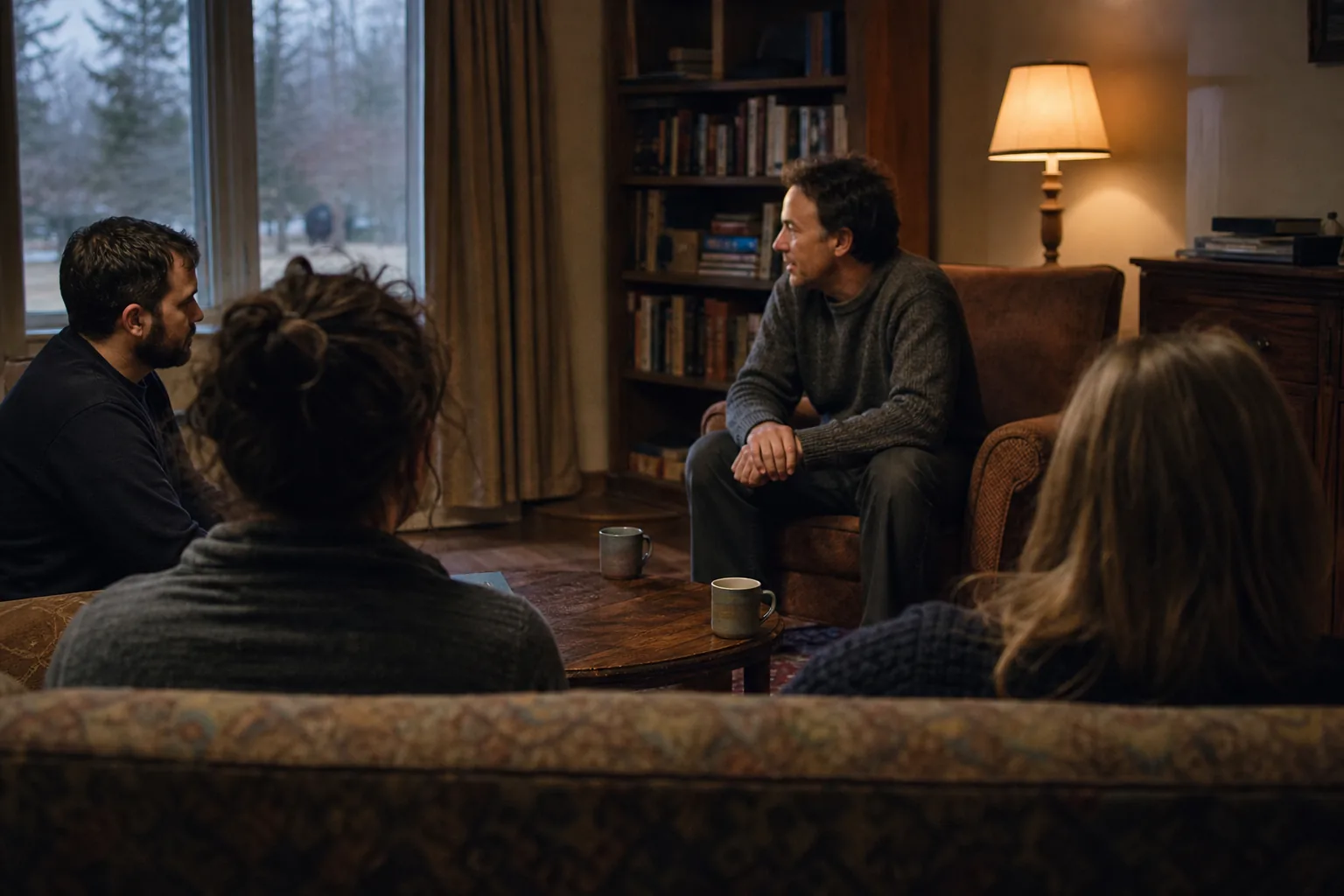
Understand what happened
People react in different ways and at different speeds, and leaders feel pressure to decide things before anyone has caught up. We help a church slow down enough to establish what is actually known, say it honestly, and answer the questions people are really asking, because unanswered questions are what feed the rumor mill.
The instinct is to say as little as possible until everything is certain. That instinct is understandable and it usually backfires: a congregation reads silence as concealment, and by the time leaders are ready to speak, people have already decided for themselves what happened. Naming what is known, and saying plainly what is not yet known, holds up far better than waiting for a complete story.
Process what was lost
Some of those losses never get named at all: expectations of what this church was going to be, friendships that quietly stop, and sometimes a person’s confidence in God. Grief that is not given room does not disappear; it goes underground and comes back as bitterness. We help congregations say what was lost out loud and grieve it properly.
It cannot be finished in a meeting, so it is the movement churches most want to move past. But a congregation never given permission to say the loss out loud will keep relitigating it for years, in parking lots and small groups and eventually in votes about things that have nothing to do with the pastor. Grief that is named in the open loses most of its power to divide.
Rebuild health
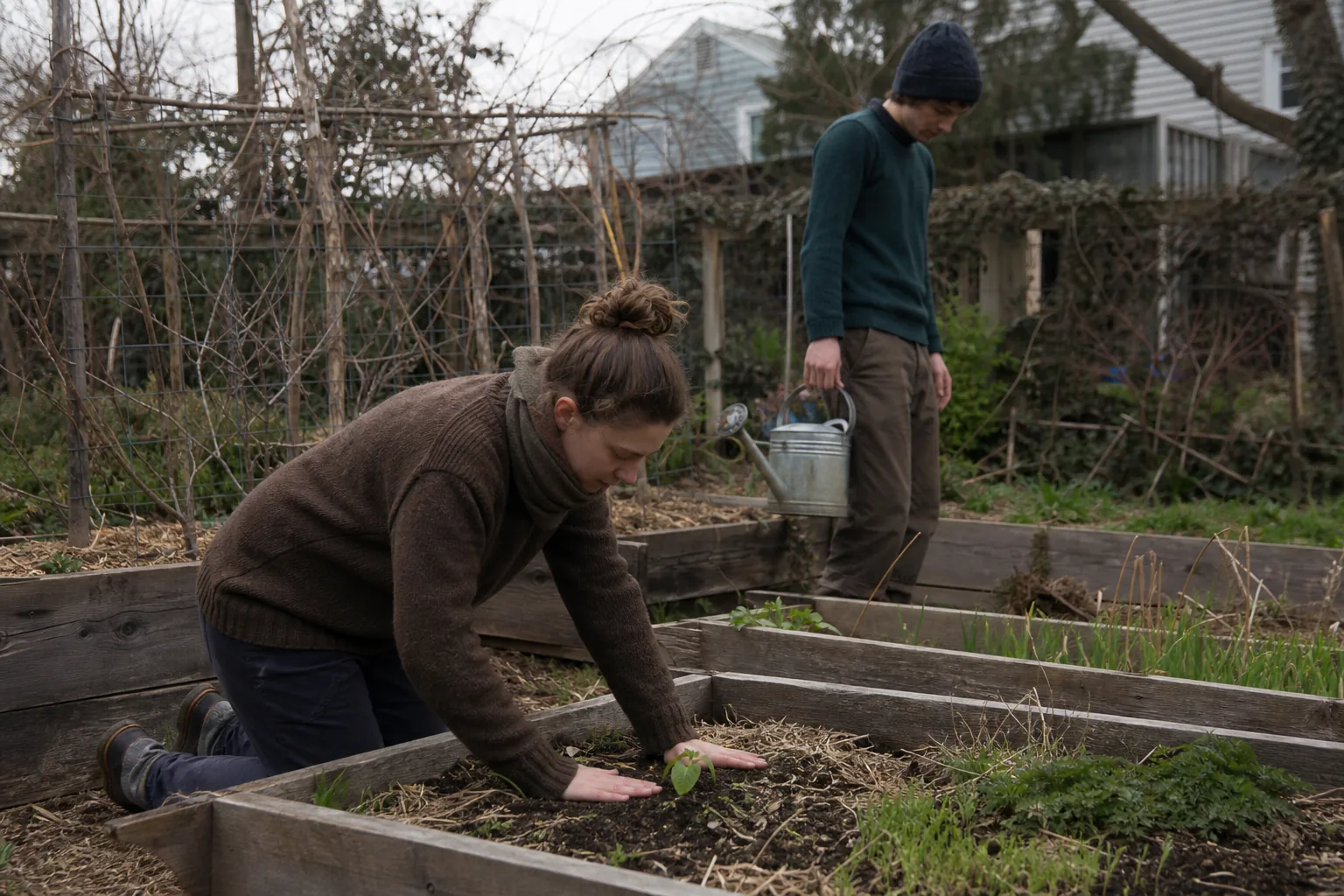
Health returns in pieces rather than all at once: a leadership team that can disagree without it becoming a crisis, volunteers picking back up things they had let go, a congregation able to be in a room together without the subject sitting between them. None of it can be announced into being; it is built by what leaders do, and by room left for God to work. We walk with leadership through the months where that is won or lost.
In practice that means helping leaders think about sequence: which decisions genuinely have to be made now, which ones are being rushed because the pressure is uncomfortable, and which ones should wait until the congregation can actually take part in them. It also means paying attention to the staff, who are running the church while grieving it, and who are usually the last people anyone thinks to ask about.
Move forward
Normal is gone, and chasing it is most of what keeps a church stuck. What takes its place is discerned rather than announced: renewed health, renewed hope, and a sense of mission the congregation arrives at together. Churches are rarely the first to notice they have got there, so we help them see it.
Churches often expect this to feel like a finish line, and it rarely does. It looks more like noticing that a Sunday went by without the subject coming up, that new people are staying, that leaders are deciding out of conviction again rather than damage control. The aim is to become unnecessary, and to leave a church that can say this part of its own history out loud.
From the first conversation onward.
A conversation
You tell us what happened and where things stand. We listen and help you think about a wise next step. Nothing is decided here, and you are not committing to anything by asking.
Assessment
We learn your church before anyone arrives: what has been said, what has not, and what your people are carrying. Nobody should walk in cold and ask your church to explain itself from the beginning.
On site
Time with leadership and the congregation: honest teaching, hard questions answered out loud, and groups launched. Leaders and congregation each get room to be honest, because they cannot always say the same things in front of each other.
The months after
Grief does not resolve on a schedule. We stay with your leaders and your people through the long middle. The hardest stretch is usually not the week it breaks, but the quiet months after everyone else’s attention has moved on.
If what you actually want to know is what this would cost, how long it would run, or who would come, ask us directly. Those answers depend on your church, and we would rather tell you honestly than post a number that would not fit you.